 WELCOME TO MODULE 1
Hey there, [memb_contact fields="FirstName"]!
Welcome to the start of the RBIZ resume writing mastery program (RWMP).
As you're likely aware and the reason you're here, resume writing is a career field with many opportunities for writers to grow profitable writing practices.
That's exciting - and a prime opportunity for you!
Top resume writers earn $500 to $1,000+ for the resumes they write for professionals. If you aim to make an attractive living as a high-end resume writer, this mastery program is ideal for helping you achieve that outcome.
BREAKDOWN OF THIS MODULE
- Q&As Before Starting This Program
- Breakdown of Program Deliverables
- What EXACTLY is a Resume
- New Technology & How It's Changed Resumes
- Curriculum Vitae (CV) vs. Resume
- Videos to Watch & Learn
- 3 Primary Resume Formats to Familiarize Yourself With
- Downloads
- Additional Reading/Resources (offsite)
- Various Resume Examples
- Brief Intro to Infographic Resumes
- Your Module Assignment & Assigned Quizzes
1. Q&As BEFORE STARTING THIS PROGRAM
Okay, let me give you some answers to common questions I get here at ResumeBiz from students:
1. WHO AM I?
My name is Teena Rose, and I'll be your contact throughout this program. My primary goal is to be your teacher, mentor, and guide as you navigate the world of resumes. I've been writing resumes professionally since the 1990s. During the past 20+ years of writing and managing a resume business, I've helped many new to seasoned resume writers and business owners, which is how I ended up here.
2. AM I THE DEFINITIVE AUTHORITY ON WRITING RESUMES?
Nope. Resumes are subjective (and are "living documents," which I'll talk more about later in this program). The challenge with resume writing is that there are foundational strategies, varying writing styles, tools, and situational approaches, but the creative (the resume) varies from one resume writer to the next. For example, I could assign the same resume project to 20 different writers and get 20 unique resume drafts back. Of course, there would be similarities in content (e.g., keywords, achievements), but there would be way more differences.
Your approach to resume writing will be different than mine - and that's okay! The strategies proposed in this program are just some of many. I'll introduce the best collective knowledge known about resumes, and as your writing career grows, so will your writing style, design preferences, etc.
3. WHO AM I TO YOU?
My involvement is to provide you with HONEST FEEDBACK about your writing, use of resources, application of what you learn, etc. My feedback won't always be welcome, I'll admit. Nobody really likes feedback (sometimes viewed as criticism), so I'll do my best to keep feedback and interactions light and positive. My goal is to get you to broaden your writing skills and open your eyes to different viewpoints, strategies, and approaches to client projects. Remember, the outcome we both want is for you to become a top resume writer - and getting to that point will require some uncomfortable moments.
4. WHAT'S REQUIRED FROM YOU?
This is a certification program, which means there are certain levels of participation and applied experience REQUIRED TO COMPLETE AND PASS this program. Please do not hurry through the assignments because, all too often, it's a small detail that gets RWMP assignments kicked back to students. Suppose you haven't grasped certain aspects of the program. In that case, I will likely recommend that you halt further progress in the program, so you can revisit previous modules, shore up skills gaps, and resubmit some/all assignments.
If you have a question or need help navigating a specific assignment, please get in touch with me at [email protected].
Are you with me so far? If yes, let's get started...
Regards,

2. BREAKDOWN OF PROGRAM DELIVERABLES
The RWMP is a "living program." What does that mean? Simply put, new content, resources, and strategies get added to the RWMP throughout the year. As students progress, more teaching opportunities get identified; therefore, the program receives additions to help past, current, and future students. When a significant addition gets added (e.g., a new download), we email active and inactive students about its availability.
Don't want to miss any RWMP updates or additions? Spam filters aren't always our friend, so you must whitelist the "[email protected]" email address to avoid missing emails sent to you. Our recommendation: whitelist this email address now before you get distracted and/or forget.
You don't need to rely solely on email. As a student, you're provided access to completed modules, so you can revisit those and download any new resources.
Each week's lessons are broken down into categories, which include a mix of:
- Videos
- Downloads
- Additional Reading
- Resources
- Assignments
The program takes you on a journey where you learn foundational resume writing strategies initially, but don't start writing resumes until you get further into the program. WATCH ALL VIDEOS, READ ALL ARTICLES & DOWNLOAD THE RESOURCES. These are provided to you for a reason. My apologies in advance because the videos in this program will not win any awards. :/
IMPORTANT: You MUST finish, submit, and get approved for each week's assignment BEFORE you're eligible to move to the next lesson.
3. WHAT EXACTLY IS A RESUME?
Let's start with the basics.
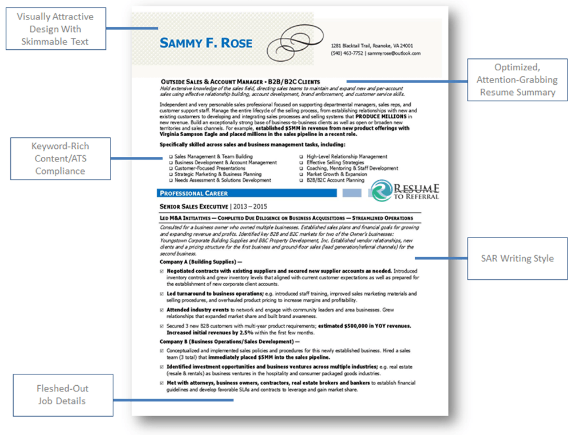
Simply put, a resume is a chronology of a person's work history, skills, knowledge, and abilities. Resumes are masterful pieces of marketing material used to apply for jobs (obviously), yet they are also used for other purposes. For example, a resume could be used when applying for a board position, requesting bank or venture capital (VC) funding, etc.
You might not have realized before now, a resume is a FUTURE-FOCUSED DOCUMENT.
Resumes focus on what clients have done and how that experience relates to and supports what they want to do next.
This means emphasizing relevant skills while deemphasizing others that are less relevant. That makes sense.
Resumes are essentially live documents because they go through a constant state of expansion, contraction, and transformation.
4. NEW TECHNOLOGY & HOW IT'S CHANGED RESUMES
Every industry has been affected by advancements in technology. Although there have been many shifts, there are 2 primary technologies you should educate yourself on.
FIRST, applicant tracking systems (ATS) have changed how we write and format resumes for today's job seekers.
As you progress throughout this program, we'll talk more about the different applicant systems and how to write and format resumes to be ATS-friendly. Notice the usage of "friendly," not "compliant." It's important to note that no resume can be 100% ATS compliant. At the time this module was published, it was estimated 600+ ATS systems are being used worldwide. This growing number of SaaS and proprietary solutions make it impossible for any resume writer to claim complete ATS compliance, which is why many in our industry have shifted to using different descriptors to ensure clients become aware there are limits on what can be accomplished - even for us.
SECOND, the rise in popularity and usage of LinkedIn by hiring managers, recruiters, and acquisition professionals has changed our strategies when writing resumes.
We're often asked, will the resume die someday?
We answer that everything has a shelf life and the resume is no different.
Will LinkedIn replace the resume? Yes, we believe LinkedIn (or another similar resource) will dethrone the resume.
Yet, this doesn't appear to be happening anytime soon.
Searching your favorite job boards, company websites, and recruiter sites, you can confirm that resumes are still very much wanted and preferred.
5. WHAT IS A CURRICULUM VITAE (CV) vs. RESUME?
Throughout this program, you may hear references to curriculum vitae (CV). Because our goal with the RWMP is to provide you with foundational RESUME information, we feel it's important to provide you with some knowledge of CVs and their differences.
Professionals outside the US most often refer to their resumes as CVs.
Some US-based professionals also refer to their resumes as CVs, including those in academic and very technical roles:
- Professors
- Research Scientists
- Physicians
Although there are many similarities between resumes and CVs, CVs often have additional bits of information not commonly seen in US-based resumes.
For example, CVs can have sections that contain things like:
- Nationality
- Marital Status
- Language Skills
- Citizen Status
- Authored Publications & Books
- Speaking Engagements
- Patents
US-based CVs often don't have many differences from resumes. However, CVs used outside the US are often written to focus on team achievement, not individual achievement. We find this to be true more so for certain countries. A manufacturing manager in Japan will have a CV that highlights what the team achieved and focus less on his contribution and success.
For the sake of this mastery course, we'll focus on resume, not CV, writing. However, the strategies in this program are applicable and transferrable to CVs as well.
6. VIDEOS TO WATCH & LEARN
7. 3 PRIMARY RESUME FORMATS TO FAMILIARIZE YOURSELF WITH
On your road to learning more about resume writing, know that there are 3 primary resume formats: functional, combination, and chronological.
Although they've been given different names over the years, these are the most accepted resume formats (and names) you should be aware of:
A. Functional
Know right upfront that functional resume formats are the least liked amongst hiring professionals.
Functional resumes are VERY SKILLS FOCUSED and most often ELIMINATE work dates — or mention them only briefly.
Although hated, a functional resume is a viable solution for some client situations. For example, recent high school and college grads, individuals with limited or no professional experience, and parents returning back to the workforce after a MANY year work hiatus can sometimes be ideal scenarios for a functional resume format.
There are other scenarios when a functional format should be your go-to. For example, clients with serious red flags in their background, like a 24-month incarceration. In this case, a functional resume format can help overshadow the employment gap.
B. Chronological
Most resumes are written using a chronological resume format, making it a great layout for individuals with relevant and unbroken (no/minimal gaps) in their work history.
Work history dominates the body of a chronological resume layout.
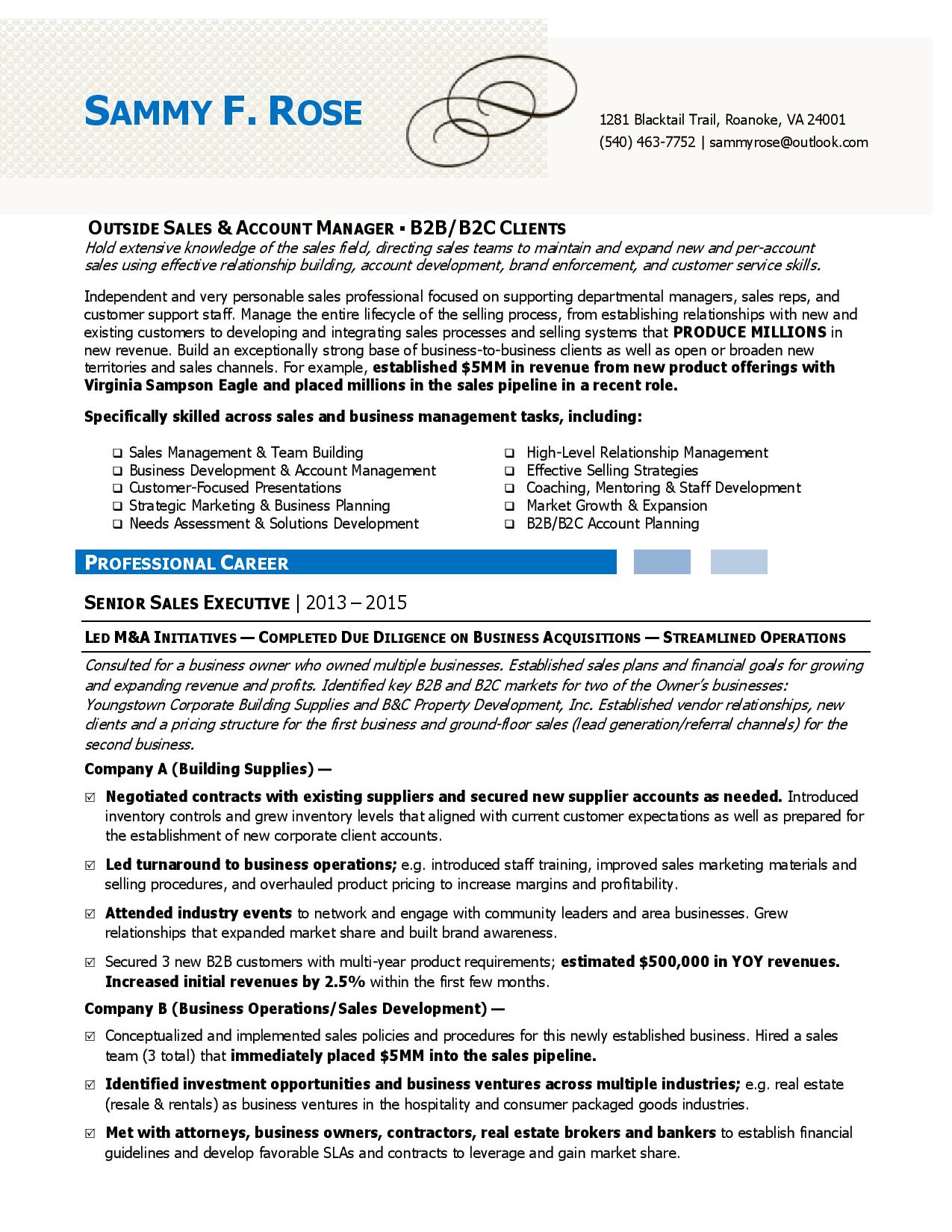
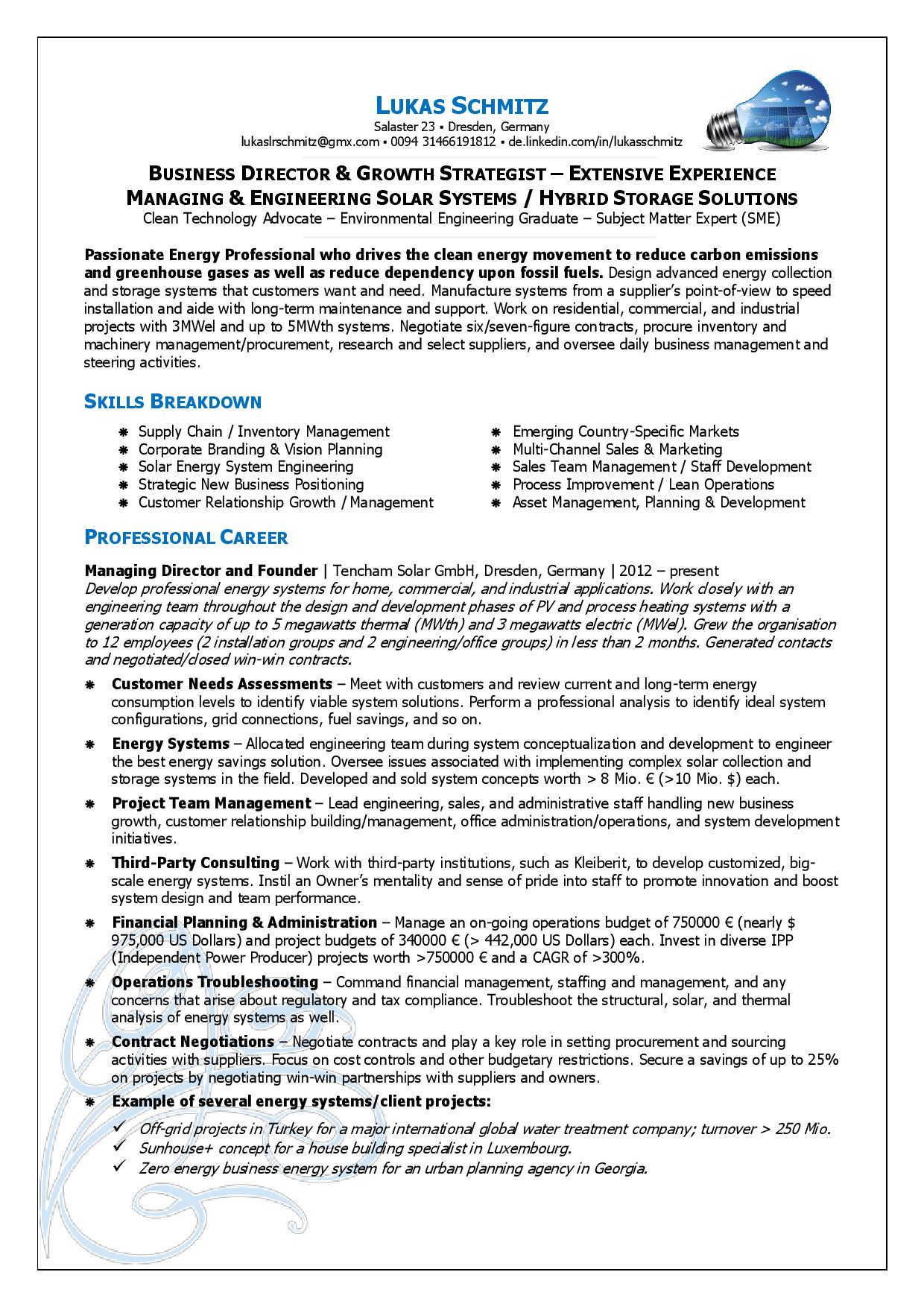
The bulk of the resumes you write will be chronological with a summary, and possibly a skills or alt section, at the top before jumping right into work history.
Chronological resumes are presented with the individual's most recent position listed first and then each subsequent position listed next.
Although the most used, there are times when a chronological resume format isn’t the best option. For example, career changers, individuals with recent employment gaps, or those with spotty employment, make the chronological format less optimal.
This is when a combination resume format can be a good alternative.
C. Combination
A combination format is a hybrid between a functional and a chronological and works best for those with certain career situations.
For example, maybe the client has a recent or too-obvious career blemish in her work history. Career blemishes can come in many forms, including blotchy employment, unintentional career change, and recent firing.
In these scenarios, we use a combination format to fill the top third of the resume with the client's professional successes, thereby pushing the failures and less favorable information further back in the document.
Visually, work experience gets pushed to the mid or lower area of the first page.
A combination resume format isn’t always a perfect strategy, though it gives you as the resume writer some control over what readers see and learn first about the client.
Which RESUME FORMAT Works Best?
Chances are, the chronological will be your go-to resume format for MOST clients. After 20+ years of working with clients, here's my best-guess breakdown percentage of when you'll use each format:
- Chronological (~90% of the time)
- Combination (~9% of the time)
- Functional (~1% of the time)
The trick to determining the right resume format is to first identify the key assets and weighing those against any career liabilities.
Here are a few scenarios to help you select an appropriate resume format:
When your client has a recent employment gap, a combination resume format may be ideal.
When your client has consistent, current, and relevant work history, a chronological resume format is a good choice.
When your client has a sizable career blemish, then either a functional or a combination resume format can work best.
8. DOWNLOADS
Here are links to see examples of the 3 resume formats we highlighted above:
To further familiarize yourself with resume writing, here are two additional resources you can download:
9. ADDITIONAL READING/RESOURCES
Here are a few articles from ResumeToReferral.com to help you launch your resume writing skills further.
Most of these articles were written for jobseekers as the reader, so keep that in mind.
How to Write a Resume | In-Depth Guide + Examples & Screenshots
In-Depth Guide to Writing ATS-Friendly Resumes
What's a Chronological Resume [+Examples]
What's a Combination Resume? [+Example]

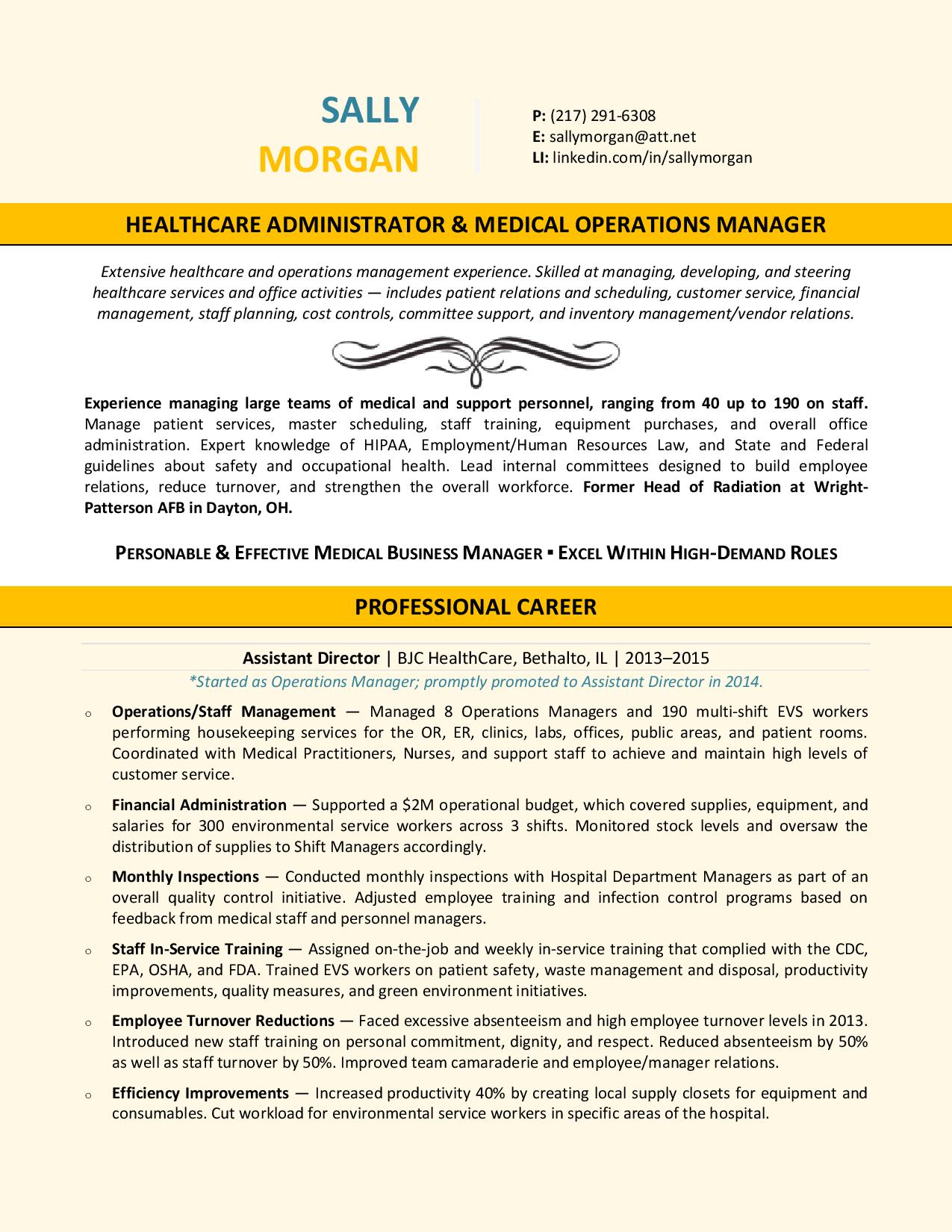
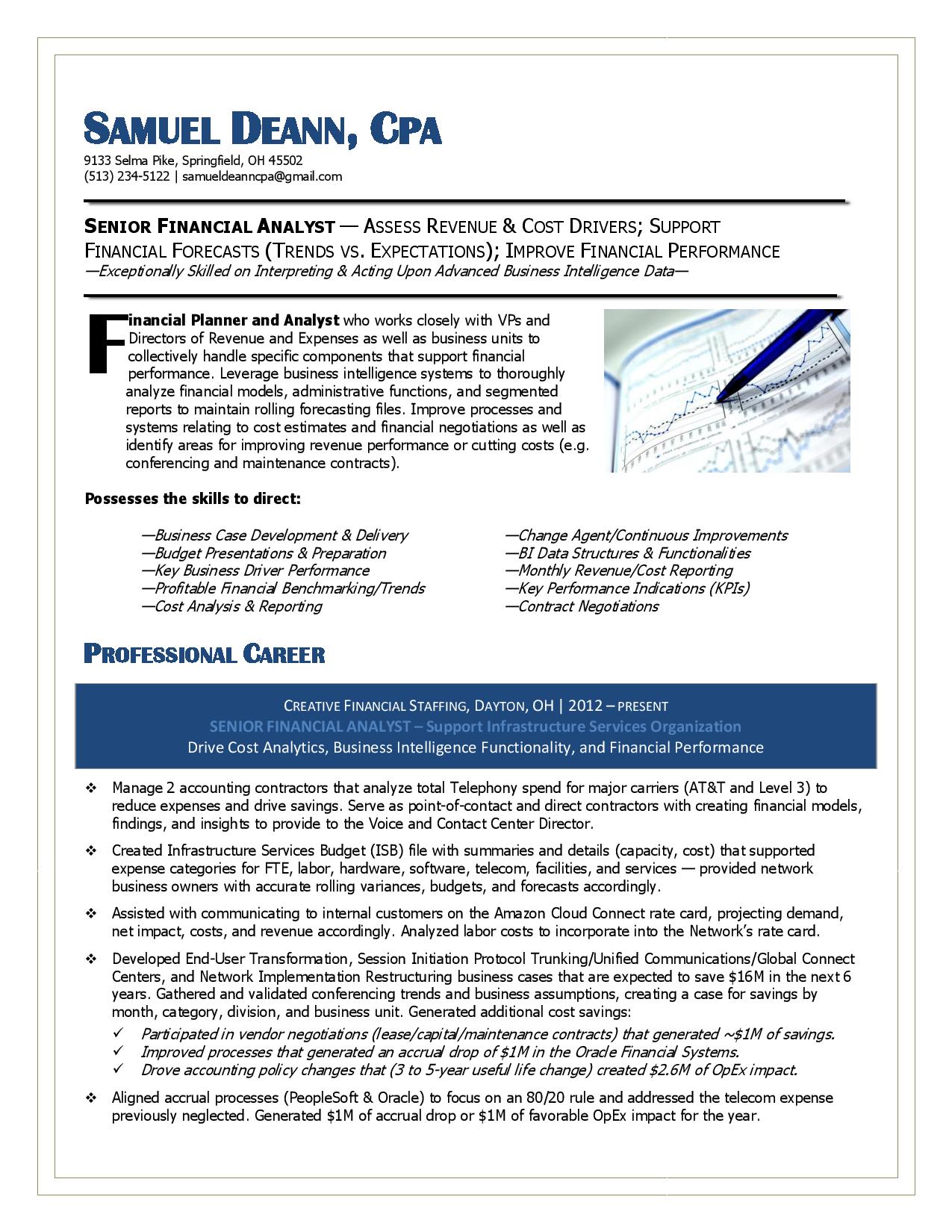
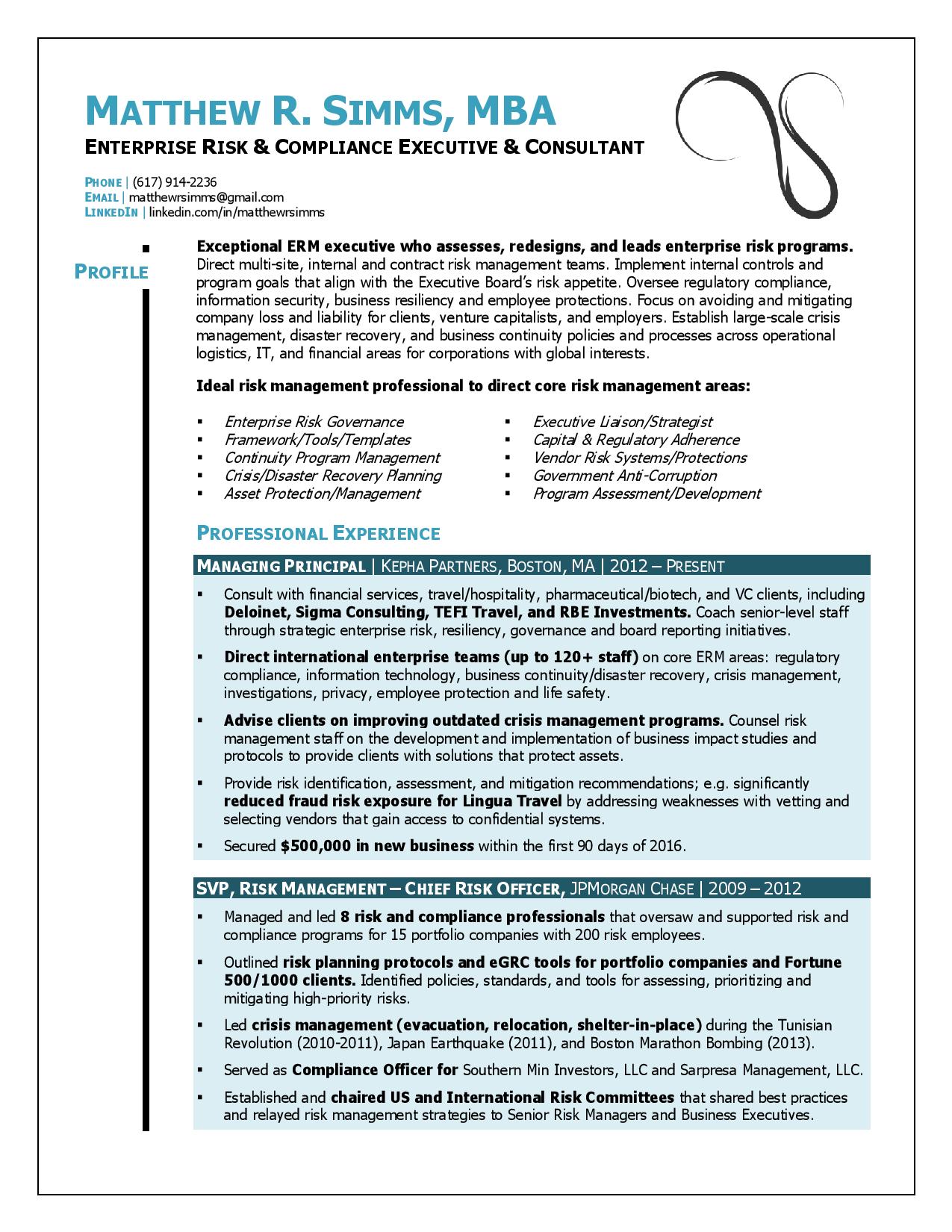
11. BRIEF INTRO TO INFOGRAPHIC RESUMES
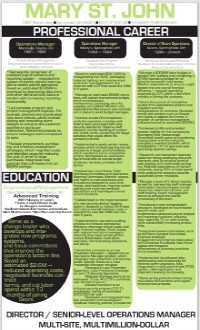
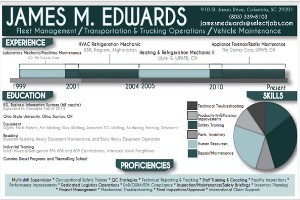
In the past few years, we've seen an increase in infographic resumes being used by professionals. Colorful and typically one-page with graphics and text boxes, these resumes were popular for a while.
Few resume writers have the resources and design skills to produce them.
Certain careers benefit most from an infographic resume, including
- Graphic Designers
- Digital Media Professionals
- Creative Directors
- Artists
- Illustrators
- Photographers
This list encompasses many job roles that involve creative skills. Professionals within non-creative job roles could benefit by having an infographic resume as well, though the expectancy of the reader should be taken into consideration.
For resume writers who have design skills, creating infographic resumes (for colleagues and your clients) could produce an attractive revenue stream for your business.
For resume writers who don't have design skills, you could get some. There are many FREE and FEE-BASED design courses available online. Or, hire a graphic designer to do the work for you.
12. ASSIGNMENT

Your assignment for this module is 3-fold.
First, complete this brief survey to help us learn your level of resume-writing experience. Be honest and thorough with your answers because they will go a long way to helping us better identify where you need the most help.
Second, read, sign, and submit this student pledge that ensures you're aware of the expectations, code of conduct, and levels of participation required as an RWMP student.
Third, complete this written assignment available through Google Docs (NOTE: To access this Google doc, along with the others available throughout this program, ensure you're logged into your Google account). Once finished, forward your completed project to [email protected].
Please allow 1-3 business days for our review and approval of your submitted assignment.
